
A complete yard transformation can change how a property looks, feels, and functions, but major outdoor improvements often involve far more than planting flowers or installing new furniture. Projects may require tree care, demolition, excavation, equipment, waste removal, temporary facilities, and new landscaping. Coordinating these services carefully can help homeowners move from an outdated or overgrown yard to an outdoor space that better supports recreation, entertaining, maintenance, and long-term property goals.
Professional support can also make complicated projects easier to organize. Specialists understand how their work fits into larger renovation plans, helping homeowners avoid conflicts between different stages of the project. For example, tree removal may need to happen before excavation, while debris disposal and equipment access should be planned before construction begins. By thinking through the order of work and choosing the right professionals for each phase, homeowners can create a more efficient process and reduce unnecessary disruption.
Evaluate Existing Trees Before Major Work Begins
Trees can be some of the most valuable features in a yard, but they can also affect nearly every other improvement. Roots may interfere with hardscaping, branches may extend over structures, and unhealthy trees may create safety concerns. Before changing the layout of a property, homeowners should evaluate which trees should remain, which need maintenance, and which may need to be removed.
A tree doctor can assess signs of disease, decline, pest activity, structural weakness, or root problems. This evaluation may help homeowners determine whether a tree can be preserved through treatment or whether its condition makes removal the more practical option. Identifying these issues early can prevent a new patio, lawn, or structure from being designed around a tree that may not remain viable.
Tree trimming services can also prepare the yard for renovation by removing dead limbs, improving clearance, and reducing interference with roofs, utility lines, or planned construction areas. Pruning can make the work zone easier to access while helping healthy trees fit more comfortably into the updated landscape.
Homeowners should also consider how existing trees affect sunlight and drainage. A tree that provides welcome shade over a seating area may be worth preserving, while dense growth in another location may limit options for turf, gardens, or outdoor living features. Making these decisions before construction begins helps the rest of the design develop around the strongest elements of the property.
Remove Trees That Conflict With the New Layout
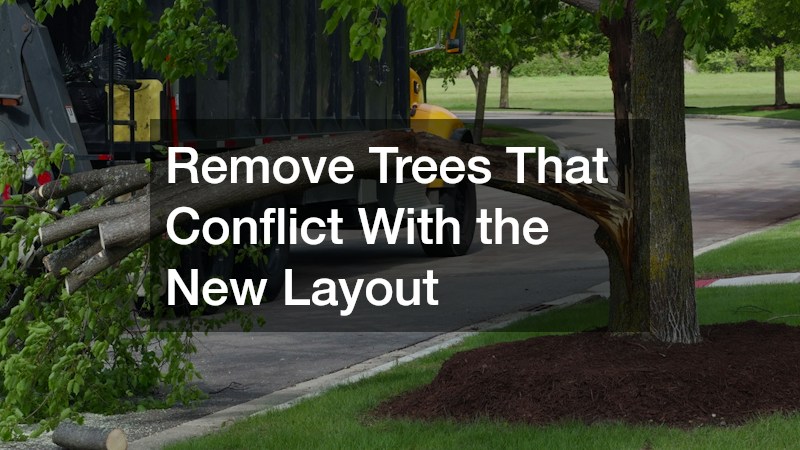
Some yard transformations require removing trees that are dead, unstable, overcrowded, or located directly where new features are planned. Tree removal can create space for expanded lawns, driveways, patios, play areas, sheds, or other improvements, but it should be coordinated carefully with the rest of the project.
A local tree removal service can evaluate access, nearby structures, overhead hazards, and the size of the tree before work begins. In tighter spaces, removal may need to be completed in sections rather than bringing the entire tree down at once. Stump removal or grinding should also be discussed, especially if excavation or new landscaping will follow.
Local arborists can help homeowners decide whether removal is necessary or whether alternatives such as pruning, cabling, treatment, or root management may be appropriate. Their input can be particularly useful when a mature tree contributes significant shade, privacy, or visual character to the property.
After a tree is removed, the surrounding soil may need additional work. Old roots, compacted areas, and changes in drainage can affect how the space performs after renovation. Homeowners should communicate their next plans to the tree professional so the site can be left in a condition that supports excavation, grading, or landscaping.
Use the Right Equipment for Heavy Outdoor Work
Large yard projects often require machinery that most homeowners do not own. Moving soil, removing old materials, grading slopes, lifting heavy objects, or digging for drainage can be difficult or impractical with basic household tools. Access to the right machinery can make these tasks more manageable.
Local heavy equipment rentals may provide excavators, skid steers, compact loaders, trenchers, or other machines suitable for outdoor renovation work. The equipment selected should match the size of the property, the type of material being moved, and the available access. A large machine may complete work quickly but may not fit through a narrow gate or between existing structures.
Homeowners who plan to operate rented equipment should understand the controls, safety requirements, and limitations of each machine. In many situations, hiring an experienced operator may be a better choice than learning to use unfamiliar equipment during a major project. Underground utilities, slopes, soft soil, and nearby structures can all increase the complexity of the work.
Equipment planning should happen before demolition or excavation starts. Delivery routes, staging areas, and ground conditions should be considered so machinery does not damage features that are meant to remain. Good planning can also reduce the number of times equipment must be delivered or repositioned throughout the project.
Clear Outdated Structures and Hardscape Features
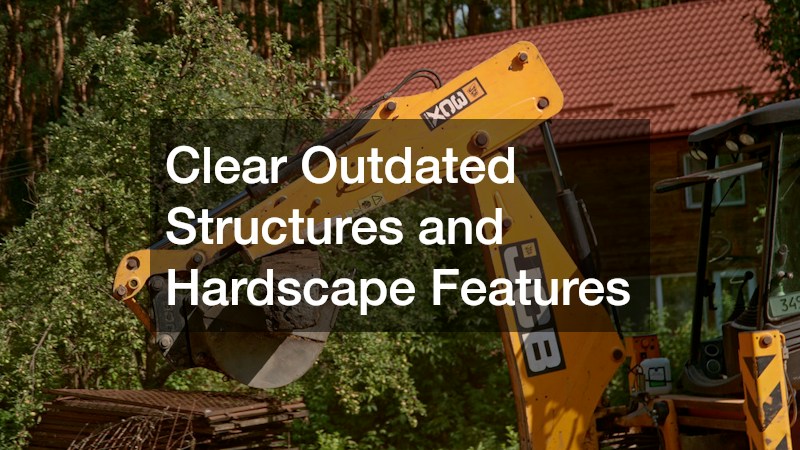
Older yards may contain sheds, concrete pads, retaining walls, fences, patios, or other structures that no longer fit the homeowner’s plans. Removing these features can open the property for a new layout, but demolition often creates more debris and site disruption than people expect.
A demolition contractor can help remove structures and hardscape features in a controlled manner. Before work begins, homeowners should confirm whether utilities, plumbing, electrical lines, or permits are involved. Even a small structure may have connections or materials that require careful handling.
Demolition planning should also account for what will remain. Nearby trees, foundations, fences, and landscaping may need protection from falling debris or equipment. Access for machinery and hauling vehicles should be mapped out before the work starts.
Homeowners can also use demolition as an opportunity to rethink circulation through the yard. Removing an old patio or unused shed may create room for a more direct walkway, a larger lawn, or a better connection between indoor and outdoor living areas. Instead of replacing every demolished feature in the same location, families can reconsider how the entire space should function.
Careful demolition creates a clean starting point for later phases. Once unwanted structures are gone, grading, drainage, utilities, and landscaping can be addressed without working around features that no longer serve a useful purpose.
Prepare the Ground for New Outdoor Features
After clearing the site, many projects move into excavation and grading. These steps shape the land so that new features can be installed on a stable base. Poor preparation can contribute to standing water, settlement, erosion, or uneven surfaces later, making this stage one of the most important parts of a large yard renovation.
Excavation companies can handle tasks such as removing soil, digging trenches, preparing foundations, shaping slopes, and creating space for drainage systems. The amount of excavation required depends on the project. A small patio may need only modest preparation, while a major retaining wall, pool, or landscape redesign may require significant earthmoving.
Grading should direct water away from structures and prevent low spots where moisture can collect. Homeowners should also consider how changes in elevation may affect neighboring areas of the property. Moving large amounts of soil can alter drainage patterns, so the finished grade should be planned rather than improvised.
This stage is also the right time to consider underground features. Drainage lines, irrigation, electrical conduit, or other utilities may need to be installed before the surface is finished. Coordinating these systems before new turf or hardscaping goes down can prevent future digging through completed areas.
A properly prepared site gives later improvements a stronger foundation. Taking time to address drainage, compaction, and grading can help the finished yard remain functional long after the visible renovation work is complete.

Keep Debris and Waste Under Control
Major yard projects generate waste quickly. Tree branches, old fencing, concrete, soil, packaging, damaged landscaping materials, and demolition debris can pile up and make a work area difficult to navigate. A clear disposal plan helps keep the site organized and gives contractors room to work safely.
Local dumpster rentals can provide a central place for approved debris throughout the project. The container size should reflect the expected volume of waste, and homeowners should ask which materials are permitted. Concrete, soil, green waste, and general construction debris may have different disposal requirements or weight limits.
Dumpster placement is important as well. The container should be accessible for loading and pickup without blocking essential entrances or creating unnecessary damage to driveways or lawns. Homeowners may need to protect the surface underneath the container, depending on its weight and the location.
Regular cleanup can also make it easier to see progress. When discarded materials are removed promptly, homeowners and contractors can inspect the site, identify remaining tasks, and reduce tripping hazards. Smaller cleanup routines at the end of each workday can prevent debris from spreading into areas that are still being used by the household.
Waste planning may not be the most visible part of a yard transformation, but it can have a major impact on efficiency. Keeping materials contained supports a more orderly project from demolition through final landscaping.
Plan for Practical Needs During Longer Projects
Some yard transformations can be completed quickly, while others may continue for weeks or involve several crews. When workers spend long days on a property, practical site needs should be addressed before the project begins. Access to basic facilities can help the job site function more smoothly without requiring workers to enter the home repeatedly.
A portable toilet rental can be a practical option during extended outdoor construction. Placement should provide reasonable access for workers while remaining out of the main work path and away from areas where equipment needs to maneuver. The unit should also be positioned where service vehicles can reach it when necessary.
Homeowners should think about other temporary needs as well, including parking, material storage, power access, and water. Establishing designated areas for these functions can reduce confusion when multiple contractors are working on the property.
Communication is equally important. Homeowners should know which areas will be inaccessible, when equipment will arrive, and whether noise or dust may affect normal routines. Families with children or pets may need temporary boundaries to keep them away from active work zones.
Planning for these details can make a long renovation feel more manageable. A well-organized site helps professionals complete their work while allowing the household to maintain as much normalcy as possible during the transformation.
Finish the Yard With Low-Maintenance Landscaping
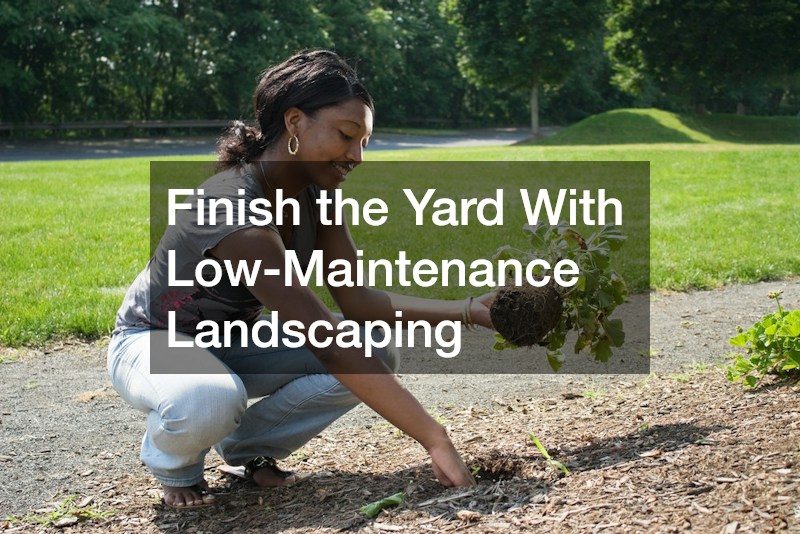
Once demolition, excavation, and construction are complete, landscaping brings the property together. The final stage should reflect how the household wants to use the yard and how much ongoing maintenance homeowners are comfortable managing. Plantings, lawn areas, paths, and gathering spaces should work together rather than competing for attention.
Artificial grass installers can create consistent green areas where natural turf may be difficult to maintain. Artificial grass may be useful in high-traffic zones, small side yards, pet areas, or spaces where shade and soil conditions make natural grass challenging. Proper base preparation and drainage are important because the appearance and performance of the surface depend heavily on what is underneath it.
Homeowners should still think about heat, cleaning, drainage, and how the material will interact with nearby planting beds. Combining artificial turf with trees, shrubs, hardscaping, and natural landscape elements can create variety while reducing the amount of mowing and watering required.
The finishing stage is also an opportunity to add lighting, seating, edging, mulch, and other details that make the yard easier to use. Homeowners should review the entire property before considering the project complete. Drainage should function properly, pathways should be clear, and remaining trees or structures should show no signs of damage from construction.
A successful yard transformation depends on more than one trade or improvement. Tree specialists, equipment providers, demolition crews, excavation professionals, waste services, temporary facilities, and landscaping professionals may all contribute at different points. When these services are coordinated around a clear plan, homeowners can move from an overgrown or outdated property to an outdoor space that is safer, easier to maintain, and better suited to everyday life.