When you are in the process of hiring a contractor, whether it is for a small renovation project or a large-scale construction job, one critical component to consider is the warranty they provide. This aspect of the contractor-client relationship involves understanding the depth and breadth of the contractor’s commitment to quality and accountability post-completion of their work. The warranty essentially serves as a written assurance that guarantees repair or replacement of faulty components under specific conditions.
The primary goal of this article is to delve deeper into the various fundamental aspects of contractor warranties, particularly in relation to different types of services and installations. We aim to elucidate the nuances of these warranties which are pivotal in ensuring that the final product meets the required standards and expectations. By comprehensively understanding these warranty details, homeowners are better equipped to make well-informed decisions. This understanding helps in not only choosing the right contractor but also in safeguarding their investments from unforeseen issues that may arise after the completion of the work.
Moreover, being familiar with contractor warranties empowers homeowners to set clearer expectations and avoid potential pitfalls, such as unexpected repair costs or disputes over the quality of work. This aspect of hiring not only pertains to the assurance of the contractor’s service but also influences the longevity and safety of the installations they undertake, thus playing an integral role in long-term home maintenance and satisfaction.
1. What Does a Roof Repair Warranty Usually Include?
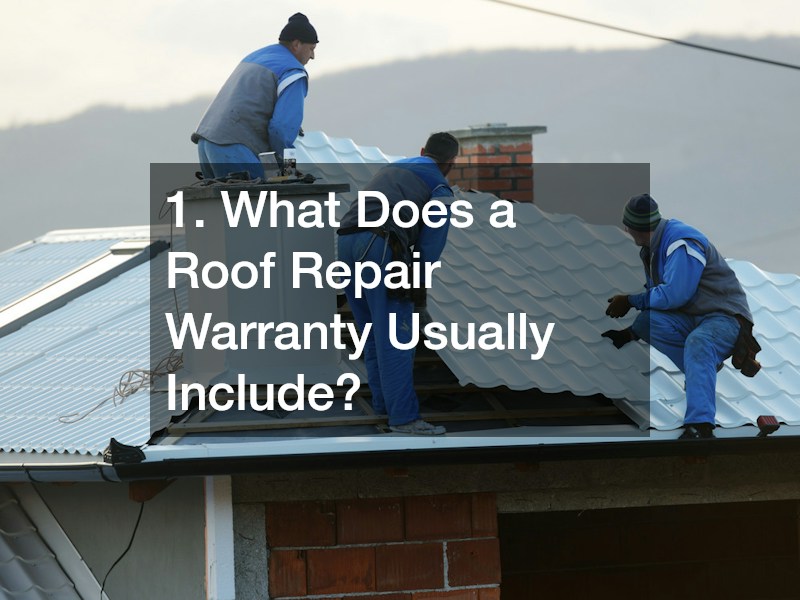
Duration of the Warranty: Roof repair warranties often span a duration of 10 to 15 years, providing peace of mind for homeowners. The typical roof repair warranty covers specific defects related to materials and workmanship. It’s imperative for homeowners to verify the terms, ensuring that they are adequately protected for the lifespan of the warranty.
Types of Covered Roof Repairs: These warranties typically cover repairs due to common issues like leaks, loose shingles, and flashings. Particularly, a warranty will generally stipulate coverage for wind and storm damage roofing repairs, provided these terms are met. An understanding of these covered repairs can prevent costly out-of-pocket expenses for homeowners.
Exceptions and Exclusions: Exclusions in a roof repair warranty can include damage from external factors such as natural disasters or poor maintenance. Homeowners should be aware that improper installations by non-certified contractors may also void the warranty. Thus, thorough inspections and hiring certified professionals become essential steps.
2. Are Tornado Shelters Covered Under Warranty for Natural Disasters?
Warranty Scope for Tornado Shelters: Tornado shelters are often covered by warranties focusing on structural integrity and performance standards. The warranty usually ensures that the shelter meets specific safety certifications which are crucial during natural disasters. It’s important for consumers to understand the certification standards their shelter adheres to.
Duration of Coverage: Typically, tornado shelter warranties range from five to ten years, extending peace of mind during the shelter’s early lifespan. The coverage generally encompasses defects in the materials and manufacturing processes. Knowing the warranty period ensures preparedness and appropriate maintenance scheduling.
Situations Not Covered: Most warranties highlight specific exclusions, such as damages caused by improper installations or modifications. Additionally, they might exclude coverage for damages resulting from unforeseen natural events beyond a certain threshold. Understanding these exclusions enables proper maintenance and protects against void warranties.
3. Does Metal Roofing Installation Come with a Warranty?
Types of Metal Roofing Warranties: Metal roofing warranties are generally split between weather protection and installation and labor. These warranties cover issues such as corrosion, faulty installation, and premature aging of the metal. It is advised to compare different contractor warranties to ensure comprehensive coverage.
Average Warranty Period: The expected warranty period for metal roofing can range from 30 to 50 years, depending on the product and manufacturer. These durations assert the durability and longevity of metal roofing solutions in various climates. Choosing a metal roofing warranty with extensive coverage can yield long-term benefits.
Limitations of the Warranty: Limitations often include environmental conditions, such as salt exposure, which might cause rust or deterioration not covered under standard warranties. Additionally, alterations by anyone other than authorized technicians can void coverage. Homeowners should seek warranties specifying the complete exclusion and conditions for a prudent purchase.
4. Should Drain Cleaning Services Offer a Warranty?
Common Warranty Terms: Drain cleaning companies often include warranties that guarantee their services for a period ranging from 30 days to one year. These warranties are designed to give customers peace of mind by ensuring that any issues resulting from subpar work or inadequacies during the initial cleaning will be addressed without additional cost. The range in warranty duration signifies the company’s confidence in their quality of service and indicates their commitment to customer satisfaction. Having such an assurance allows customers to feel secure in their investment, knowing that should problems arise again within the warranty period, the company will take responsibility for repairs.
How Warranties Vary Between Companies: Warranties among drain cleaning companies can differ significantly, offering varying extents of coverage to their clients. Some companies might provide extensive warranties covering a multitude of potential problems and offering full resolution within a year of service. On the other hand, some might offer limited coverage, with terms solely focused on select issues and a shorter guarantee period. Factors influencing these variations include the inclusiveness of the services provided, the scope of work covered under the warranty, and whether any additional costs may be incurred for unforeseen issues not originally diagnosed. As such, it is imperative for consumers to carefully evaluate and compare these warranties, understanding the fine print, service terms, and potential costs before deciding on a service provider. By doing so, customers can ensure they choose a warranty that best meets their needs and provides the most comprehensive protection.
Conditions Affecting Warranty Validity: Most warranties contain specific conditions that could affect their validity. One common stipulation is that the warranty will be void if the damage is attributed to factors outside the control of the drain cleaning service company. This includes issues stemming from improper maintenance or negligence by the customer themselves. It is critical for customers to adhere to recommended maintenance practices and regular check-ups to preserve the warranty’s validity. Furthermore, maintaining a proper record or evidence of such regular maintenance work is pivotal, as these documents may be required should a warranty claim need to be filed. This encourages customers to remain proactive about the upkeep of their drainage systems, ensuring ongoing functionality and the preservation of warranty benefits.
5. What to Expect from Sunroom Installers’ Warranties?
Coverage Specifications: Sunroom installers typically provide warranties that include structural integrity and installation defects. Coverage ensures protection against leaks, faulty windows, and weather-induced damages under specified conditions. Homeowners should understand these specifications to maximize their investment.
Typical Exclusions: Typical exclusions in sunroom warranties involve damages resulting from misuse or unauthorized alterations. Moreover, catastrophic weather conditions leading to damage often fall outside such warranties. By being informed of these exclusions, homeowners can better prepare and mitigate potential risks.
Duration of Sunroom Warranties: The average duration of a sunroom warranty ranges from five to fifteen years, contingent on the materials and workmanship involved. Longer warranties indicate confidence in quality and provide greater assurance to homeowners. Selecting a sunroom installer with a robust warranty reflects a wise investment.
6. Does Water Damage Restoration Include a Warranty?
Coverage of Water Damage Restoration: Water damage restoration warranties often cover the repaired areas for defects in materials and workmanship. Such warranties assure the client of quality control ensuring that restoration efforts are held to industry standards. Understanding the warranty scope is key to safeguarding property value against water threats.
Limitations and Conditions: Warranties frequently exclude coverage for additional future damage resulting from continuous water intrusion or original source issues. Timeliness of repair and adequate resolution of the originating cause must be verified. Clients should approach these situations proactively to enhance investment protection.
Warranty Period: A typical warranty period ranges from one to three years, emphasizing the importance of early detection and comprehensive repair shortly after the damage occurrence. Regular assessments within the period protect customers from prolonged issues. This timeframe facilitates a timely response to new or recurring problems.
7. Understanding Warranties for Storm Damage Roofing
Types of Damage Covered: Storm damage roofing warranties generally cover severe weather-induced damages, such as those caused by hail, wind, and rain. These warranties ensure necessary repairs to the structure, preventing further complications. Clarity in coverage allows homeowners to select suited roof repair services for their climate.
Duration and Renewal Options: The warranty period for storm damage repairs often ranges from five to twenty years and may include renewal options. Renewal provides ongoing protection by adapting to changing risk conditions and market innovations. Evaluating these options ensures continued warranty relevance and utility.
Claims Process and Conditions: The claims process often requires documentation and a professional assessment to determine repair responsibility under warranty terms. Delays or inadequate reporting can lead to claim denial, emphasizing timely action post-damage. Robust understanding of process and terms streamlines successful warranty claims.
8. Are Electric Fence Gates Covered by a Warranty?
Key Components Covered: Warranties for electric fence gates generally include coverage for the electrical components and mechanical failures. This coverage ensures operational reliability and minimizes unexpected repair costs. Thorough warranty review guarantees component protection and reduces system downtime risks.
Conditions and Length of Warranty: Warranty periods typically last between one to three years, providing standard assurances of durability and function. These documents outline conditions which require compliance, including routine check and maintenance schedules. Adherence enhances user confidence and aligns expectations.
Exclusions and Maintenance Requirements: Exclusions often pertain to damage resulting from negligence, weather events beyond design tolerance, or unauthorized alterations. Maintenance requirements are often built into the warranty to guarantee consistent operation. Continuous upkeep and adherence to manufacturer guidelines fulfill warranty conditions.
9. Do Electric Fireplaces Come with a Comprehensive Warranty?
Coverage Details: Electric fireplaces typically come with warranties covering internal electrical components and manufacturing defects. These warranties provide assurance against malfunctions and safety hazards, reducing consumer apprehension. Understanding warranty scope is essential when considering energy-efficient heating solutions.
Warranty Period and Extensions: Standard electronic fireplace warranties last between one to five years and may offer extensions for added assurance. Extensions may include additional coverage for unique components or rare conditions. Consumers must evaluate cost-benefits of prolonged coverage for optimized benefit.
Common Warranty Exceptions: Frequently, warranties do not cover issues from improper user operation or environmental factors beyond the product’s rated capacity. Awareness of product limitations enhances experience while avoiding unintentional warranty invalidation. Respecting user guidelines ensures optimal product performance and warranty validity.
10. What Should You Expect from an Aluminum Fence Warranty?
Coverage Scope: Aluminum fence warranties tend to encompass defects in paint and structural components, assuming a landscape resilience and aesthetic assurance. Warranty cover enables cost-effective maintenance and extended finish appeal. Understanding the scope allows planning effectively for fence durability and protection.
Warranty Duration and Conditions: These warranties often extend up to 20 years, showcasing the material’s longevity and resilience. Documentation outlines expectations including installation accuracy, ensuring a valid and beneficial coverage experience. Knowing potential limitations and conditions aids proactive management and contractor discussion.
Exclusions and Responsibilities: Exclusions commonly relate to damages from weather extremes, misuse, or alterations without approval. Manufacturer guidelines typically stipulate obligations for installation companies and homeowners. Abiding by these conditions ensures longevity and continuous warranty coverage.
Navigating the complexities of homeownership involves various responsibilities and potential financial obligations. Among these, one crucial aspect is understanding and effectively using the warranties that accompany many services or installations. A well-understood warranty is more than just a document; it is a safeguard that acts as a financial buffer, protecting homeowners from unforeseen expenses when problems occur with elements like appliances, roofing, or other service installations within the home.
In light of its importance, homeowners should take the time to thoroughly review the details of any warranty provided by contractors before they commit to any work or service. These details often outline the scope of coverage, duration of the warranty, conditions under which claims can be made, and the process for filing a claim. Understanding these aspects not only helps prevent future misunderstandings or disputes but also provides peace of mind.
When homeowners are knowledgeable about their warranties, they are empowered to engage in more informed and effective communication with their service providers or contractors. This knowledge is an invaluable tool that supports decision-making processes, enabling them to select the best services that contribute positively to the protection and longevity of their investments.
Therefore, in integrating the practice of thoroughly understanding and reviewing warranties into the routine of managing a home, homeowners set a firm foundation for maintaining and enhancing the value of their property. It is an essential step in safeguarding their financial health and ensuring that their beloved home remains a place of comfort and enjoyment without the extra burden of unexpected repair costs.